
The US 25% tariff on imported vehicles has generated a lot of noise about American consumers paying more at the lot. That is the easy story. The more interesting one, the one I do not think is getting nearly enough attention, is what this does to the commercial logic of European OEMs and, eventually, to the dealer networks that depend on them. Not because European dealers are directly in the firing line. They are not. But second-order effects from US margin pressure tend to travel, and they tend to arrive quietly.
Germany and Italy Have the Most to Lose
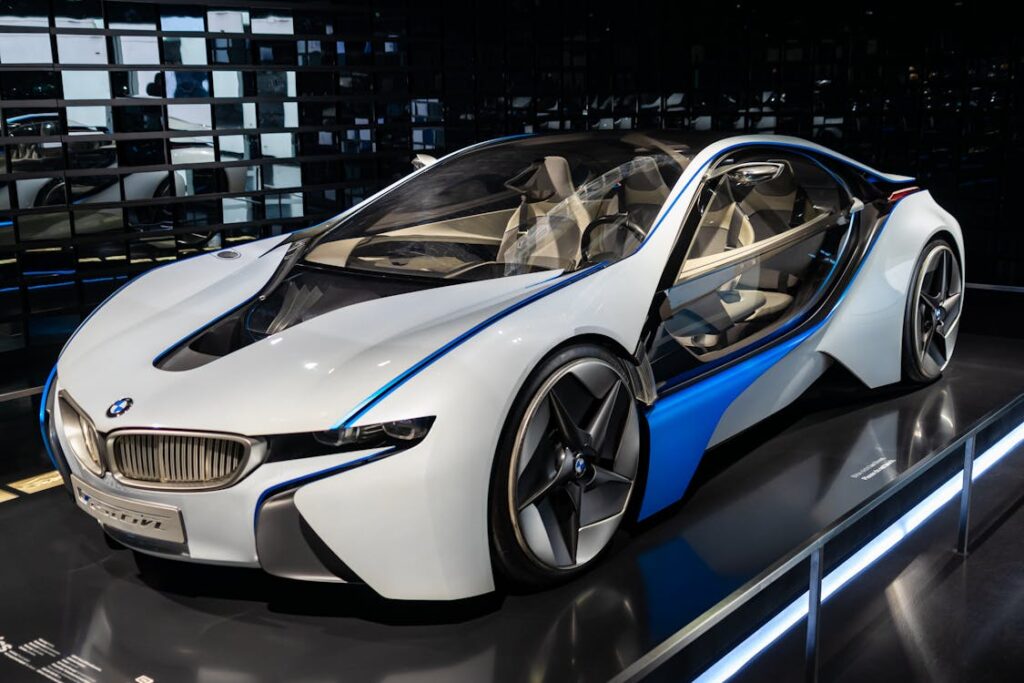
Germany sends 24% of its extra-EU automotive exports to the US. Italy sends 30%. BMW, Mercedes-Benz and Volkswagen depend on those volumes to fund global operations, including the co-op budgets, model refreshes and network investments that eventually reach European dealers. Oxford Economics projects German automotive exports to the US could fall by 7.1%, Italian by 6.6%. When OEM profitability takes a hit in a key market, the first things that get trimmed are furthest from the core: regional marketing support, slower refresh cycles, more pressure on importers to absorb costs. Dealers feel this before they can name it.
China Is the Quiet Winner
This is the part I think deserves more attention than it is getting. While European OEM leadership teams are absorbed in tariff strategy and investor communications, BYD, NIO and SAIC are continuing to build their European presence: distribution networks, service infrastructure, competitive pricing for European buyers. Week by week. Every week spent managing a transatlantic trade crisis is a week less focused on responding to what is happening in their home market. For dealer groups thinking a few years ahead, it is worth asking honestly whether the brands you carry today give you enough exposure to where customer interest is actually heading.
What Is Actually Worth Doing Right Now
The honest reality is that supply chain decisions sit far upstream and dealers cannot influence them. But two things are genuinely within your control. First, map your exposure: which models in your portfolio depend most heavily on US-derived OEM profitability to fund ongoing investment? Have a frank conversation with your importer about contingency planning before that conversation becomes urgent. Second, and more importantly, build the direct customer relationships that do not depend on OEM-generated leads. Personalised follow-up, consistent CRM use, a real presence on the channels your customers actually use. These matter in a stable market. They matter considerably more in a volatile one. The businesses that come out of disruption strongest are usually the ones that used the quieter years to get their foundations right.
If You Are Reading This As…
A dealer:
• Run a CRM audit this week: what percentage of your active leads came from OEM-generated sources versus your own outreach? If the answer is mostly OEM, you have a concentration risk worth fixing now.
• Identify one AI tool to test in the next 30 days, either for used vehicle pricing or automated follow-up. Both have clear ROI in automotive retail and require no IT team to get started.
An importer:
• Map which models in your network have the highest dependency on US-derived OEM profitability and brief your dealer network on what a margin-pressure scenario could mean for co-op budgets and allocation.
• Review the digital tools you are currently providing to your dealer network. If there is no structured CRM or lead management support in your programme, that is the gap most likely to hurt performance in a downturn.
An OEM:
• Dedicate one leadership review this quarter specifically to the China competitive response in Europe, separate from the tariff discussion. The two problems require different thinking and should not compete for the same agenda time.
• Assess whether your current dealer portal and data-sharing infrastructure gives your network the information they need to make fast local decisions. Dealers who are waiting on OEM data to act are slower than competitors who are not.
SOURCES:
– Oxford Economics, “Driving into uncertainty: How Trump’s tariffs could derail Europe’s automotive powerhouse”, oxfordeconomics.com