
Just a few days ago, on LinkedIn, I shared a hypothesis: China would soon pull its EV subsidies, forcing some domestic OEMs to either go bust or be absorbed by larger players, eventually leading to more stable prices and a stronger focus on profitability over production targets for new vehicles.
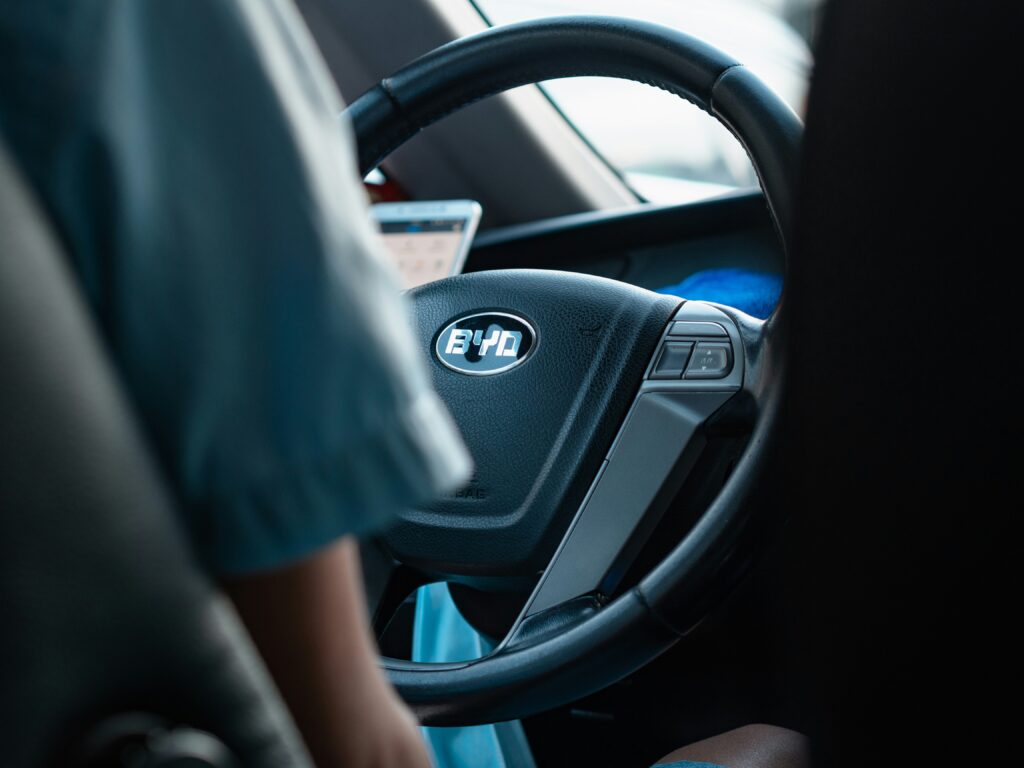
That prediction didn’t take long to materialize. According to Reuters, China’s new five-year industrial plan officially ends subsidies for domestic EV manufacturers, closing a chapter of state-backed expansion that propelled its OEMs to global dominance and ignited an international price war.
This move isn’t just a policy adjustment, it’s a strategic pivot that will reshape the global automotive landscape.
What does this mean for Chinese OEMs?
For more than a decade, government incentives allowed Chinese automakers to chase volume and both local and global market shares with little regard for profitability. Now, the safety net is gone.
Many small Chinese EV startups that depend on state support will face the tough reality of the market by themselves; Some will disappear, others will consolidate, and a few strong players will emerge more resilient and globally competitive. This scenario feels like graduating kids from high school, you have to let them fly on their own at some point.
China’s OEMs will now have to move from a mindset of “produce at any cost” to “survive sustainably” , separating the efficient from the subsidized.
What this means for global competition
The end of subsidies could finally ease the downward pressure on EV prices that has disrupted global markets for nearly two years.
For European and American OEMs, this may open a window to reclaim competitiveness, not through subsidies or tariffs, but through differentiation in technology, service, and brand value.
Dealers across Europe could see more price stability and healthier margins, while Chinese automakers may focus on strategic markets rather than blanket global expansion.
From policy-driven growth to market-driven survival
This transition represents more than an economic adjustment, it’s an ideological one.
For years, China’s EV dominance was driven by sustainability regulation and local/global industrial ambition, not pure market demand. Now, as the Chinese government steps back, the market will decide its verdict:
Which EV players can truly stand on their own?
But beyond China, this moment raises a much deeper question, does this expose the future of EVs themselves?
Are electric vehicles genuinely the best path forward for global mobility, or have they been, in part, a politically charged agenda, one that China leveraged to secure industrial and mineral dominance?
As we see oil-based narratives and traditional energy agendas reemerge across Europe and the U.S., the conversation around sustainability versus strategy is evolving fast. Perhaps the EV revolution wasn’t purely about environmental change, but about who would lead the next era of industrial power.
For dealers, OEMs, and suppliers worldwide, this marks the beginning of a new equilibrium — where the future of the industry will be defined not by government incentives, but by true market performance, innovation, and adaptability.
The price war may be cooling for now, but the strategic and ideological battle for the future of mobility has only just begun.
Related post: From China to car dealers in Europe — The ripple effects of the EV price war