
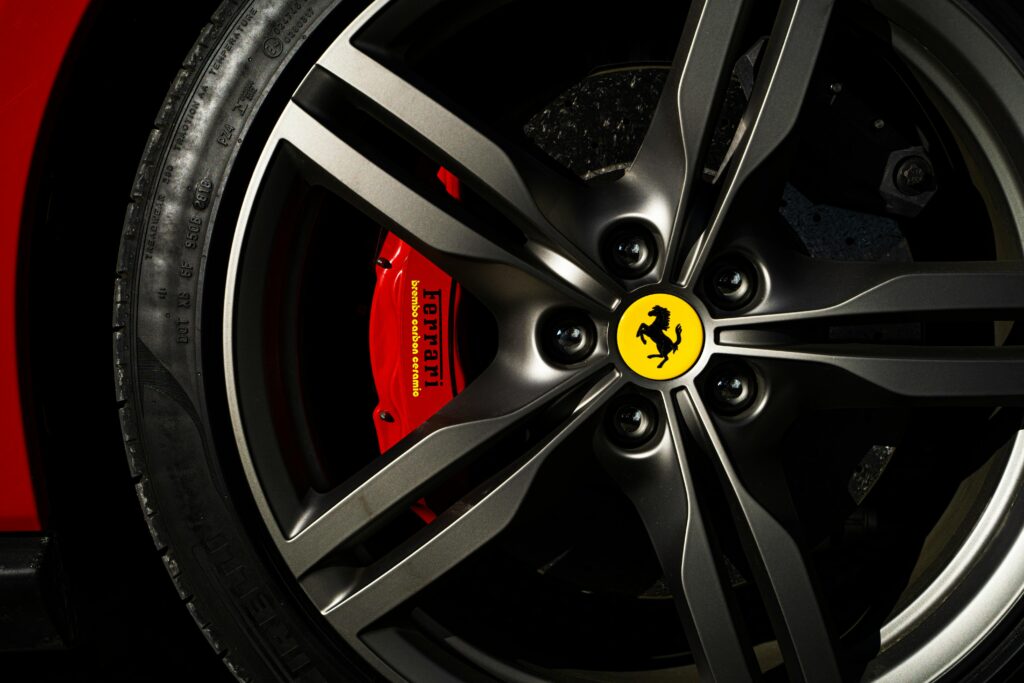
A few weeks ago, I wrote about how Italian automotive and industrial machine manufacturers continue to outperform their global peers—even as countries like the US, UK, Germany, and France increasingly offshore production or pivot toward service economies. In that post, I highlighted Ferrari as a prime example of what makes Italian manufacturing resilient, competitive, and distinct.
This week, The Economist published a timely article titled “Ferrari is looking less like a carmaker and more like Hermès”. It makes a compelling case: Ferrari is thriving not by following the industry, but by redefining it—operating less like an OEM and more like a luxury powerhouse. Despite producing just 14,000 vehicles annually, Ferrari commands a €76 billion market cap—triple that of Stellantis, which sells over 5.7 million vehicles per year. It’s not about scale. It’s about focus, scarcity, and pricing power, with some models seeing price increases of over 30%—and continued strong demand. Today, Ferrari operates at a 28% profit margin, while most automakers remain in single digits, and it’s worth examining why.
Made in Italy, by Design
Unlike many global manufacturers that have spread operations across continents, Ferrari remains firmly anchored in Italy. Its centralized production and tightly controlled supply chain allow for extraordinary attention to detail, from engineering to delivery. This commitment to place and process is part of a broader Italian manufacturing culture I’ve observed firsthand: one built on creativity, heritage, and a relentless pursuit of quality. At Ferrari, that culture fuels a brand identity that commands loyalty and premium pricing worldwide.
Ferrari Knows the Dealership Still Matters
Even in today’s digital-first world, Ferrari places high strategic value on its global dealership network. With around 180 dealerships worldwide, these are not just retail outlets, they are essential brand touchpoints for the end customer. Ferrari as an OEM maintains close, long-term relationships with its dealers, ensuring it continues to share the same values and vision of the business, ensuring consistency in how customers are welcomed, advised, and supported. From the first visit to aftersales service, each interaction reinforces the exclusivity and care that define the Ferrari experience.
Beyond the Showroom: Ferrari’s Multichannel Mastery
Complementing its human approach at the dealership there is also strong investment in a digitally integrated retail experience. The brand and dealers recognize that the purchase of a Ferrari is not a one-time transaction but rather a journey. That journey increasingly begins and evolves across multiple channels, from mobile apps and messaging platforms to physical showrooms and service centers.
To support this, Ferrari and its dealer network use a full suite of digital tools that allow them to deliver continuous, personalized engagement before, during, and after the sale. These include:
- Digital appointment scheduling for test drives or consultations
- Online vehicle configurators that reflect real-time inventory and options
- Lead and document management systems to streamline back-end processes
- Integrated communication platforms such as WhatsApp, Instagram, SMS, email, and voice—enabling the customer to choose how and when they interact
This omnichannel model isn’t just about convenience—it’s about maintaining brand consistency and a personalized premium service quality at every step. Whether a client starts the process on social media, continues it via email, and completes it in a dealership lounge, the experience remains cohesive, efficient, and unmistakably Ferrari.
What OEMs Can Learn from Ferrari
Ferrari’s continued success is not a fluke, it’s a strategic blueprint that defies industry convention. And for OEMs and suppliers, it offers important takeaways:
- Scarcity can be a strength, not a limitation
- Brand equity and pricing power can outperform scale
- Cultural heritage and craftsmanship build long-term advantage
- Digitally enabled, customer-first dealerships still matter
- The EV transition must be emotionally engaging, not just technically advanced
As The Economist observed, Ferrari is beginning to look less like a traditional automaker and more like a heritage brand. In a world chasing scale and speed, Ferrari is a reminder that focus, identity, and experience still win.
The question for the rest of the industry is simple: Are you building more cars—or building something people never forget?