
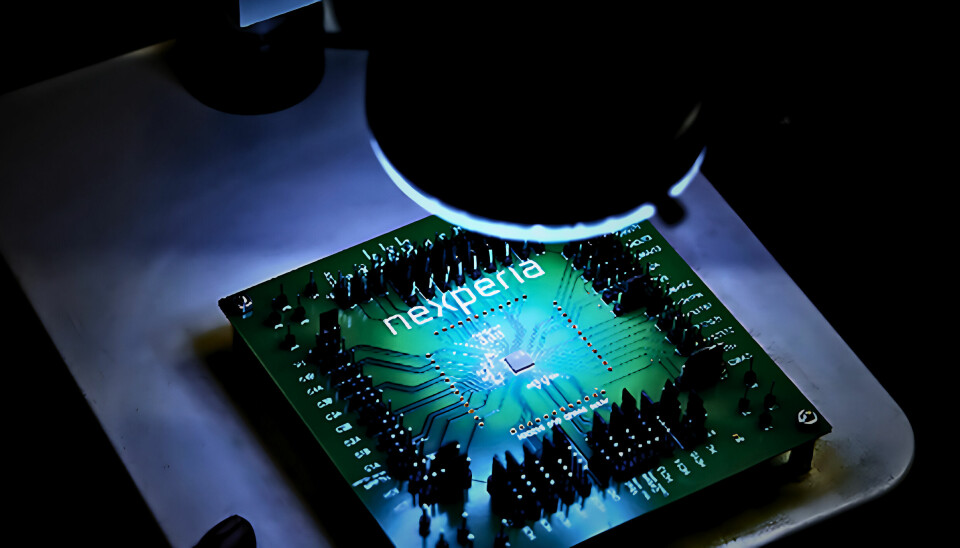
A new semiconductor shock is hitting the automotive industry and this time it’s not about advanced chips powering EVs or infotainment systems. It’s about the small, low-cost components that keep vehicles running: diodes, transistors, and voltage regulators.
Earlier in October, the Dutch government seized control of Nexperia, a key chipmaker owned by China’s Wingtech Technology, citing national security concerns. In response, China imposed export restrictions on Nexperia’s Chinese operations. The result: a sudden freeze in supply lines that feed European, Japanese, and North American vehicle production.
According to Reuters, Automotive News, and Just Auto, automakers including Nissan, Mercedes-Benz, and Toyota are already warning of potential production stoppages within weeks. Industry associations in the U.S., EU, and Japan have issued urgent alerts, underscoring how dependent the sector still is on a handful of critical chip suppliers.
Why this matters
Unlike the 2021 chip shortage which was driven by demand for high-end semiconductors, this crisis targets basic components that underpin every vehicle’s electronics. If they’re missing, production lines can stop overnight. And because these parts must be safety-qualified, switching suppliers isn’t quick or simple.
The bigger picture
This disruption is a reminder that the automotive supply chain is now deeply tied to geopolitical risk. What started as a national security intervention in Europe could ripple across global manufacturing in a matter of days.
For OEMs, dealers, and equipment manufacturers, this is the moment to:
- Map exposure to Nexperia parts across platforms and systems.
- Audit inventories and buffer stock levels (Parts and vehicles).
- Explore alternative sourcing (White labels or substitutes) even if requalification takes time.
This isn’t just a semiconductor issue, it’s a structural test of how resilient our industry really is.
Sources:
Reuters | Automotive News | Just Auto